Skip to content
Cosmetic

Eyelids & brows

Upper and lower blepharoplasty, brow lift, anti-wrinkle injections.

What eyelid surgery actually is

Eyelid surgery, or blepharoplasty, is the operation that removes excess upper eyelid skin, or reduces the bulging fat that creates under eye bags, or both. It is one of the most commonly requested cosmetic operations in the UK, and also one of the most commonly oversimplified. Almost everyone who comes to see me asks for the same thing: just a bit of skin taken off. Taking skin off is the easy part. Deciding how much, from where, and whether the eye will tolerate it is where the result is actually determined.

Heavy eyelids are rarely one problem

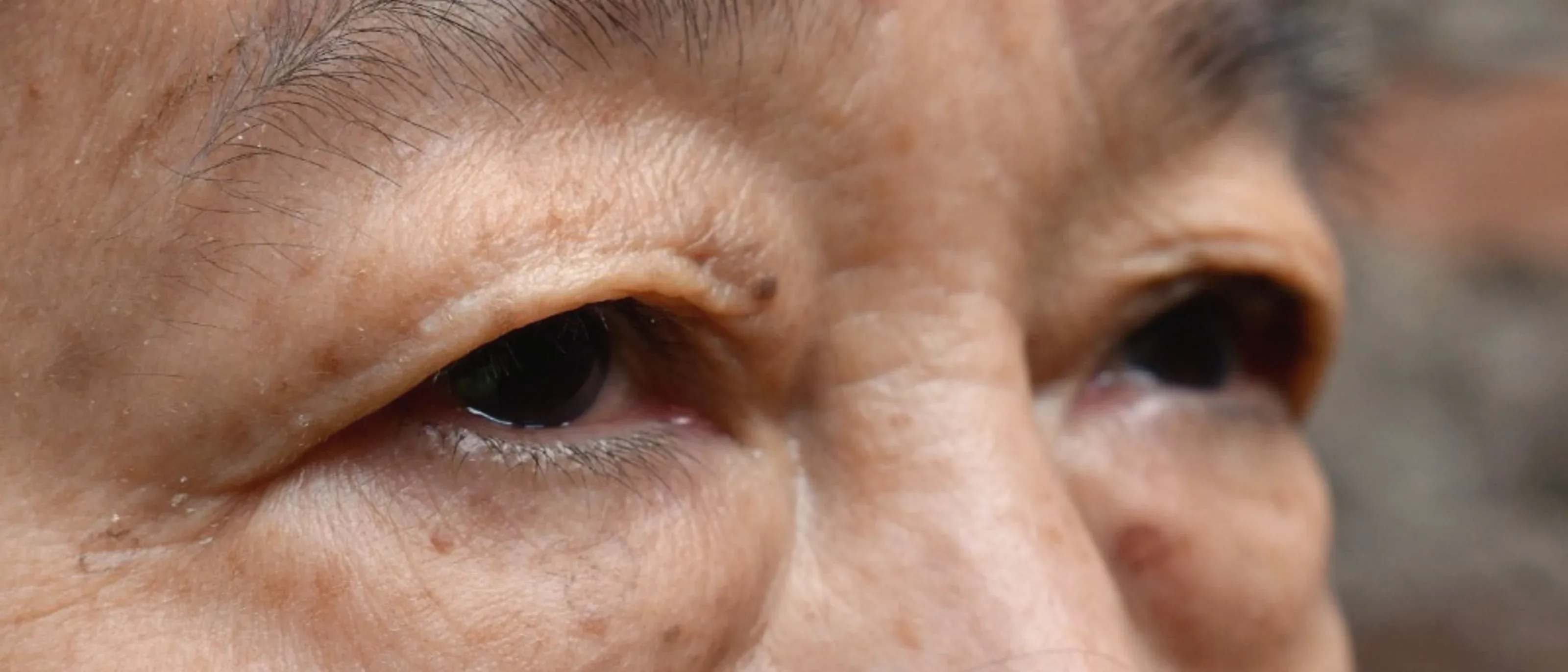
Think of the upper eyelid as a Roman blind. Three separate things can drop. The skin itself can stretch and fold over the lashes. The eyelid margin can sit low because the lifting muscle has slipped, which is ptosis rather than excess skin. And the brow can descend, pushing everything down from above. Most people have some combination of all three, in different proportions. This matters because treating only the obvious component disappoints. Remove skin from someone whose real problem is a low lid margin and the eye still looks tired. Remove skin from someone whose brow has dropped and you can pull the brow lower still. The assessment is the operation, in a sense: by the time the markings are drawn, the outcome is largely decided.

Why the surgeon's background matters here

Cosmetic eyelid surgery is performed by oculoplastic surgeons, plastic surgeons and facial plastic surgeons, and all three can produce excellent results in straightforward cases. The difference is what happens when a case is not straightforward. An oculoplastic surgeon is an ophthalmologist first: someone who trained in the eye itself before subspecialising in the structures around it. That background is what tells you which eyes will tolerate skin removal and which will develop dry eye afterwards, when apparent excess skin is really ptosis, and how to manage a complication that threatens vision rather than just appearance. If you have dry eyes, previous eye surgery, a thyroid condition, or any asymmetry between the two sides, it is worth asking any surgeon how often they operate around the eye specifically.

What recovery is really like

Upper eyelid surgery is a day case under local anaesthetic, with or without light sedation, and takes around 30 to 45 minutes per side. Expect bruising and swelling for the first few days, sutures out at about a week, and to feel presentable at around 10 to 14 days. Scars sit inside the natural eyelid crease and settle over two to three months. Lower eyelid surgery is often done through the inside of the lid, leaving no visible scar at all, but tends to bruise more. Plan the timing around your diary rather than the other way round. Two weeks is the honest answer to when you will want to be photographed.

Frequently asked

Common questions.

How much does eyelid surgery cost?

Private upper eyelid surgery in the UK typically runs between £2,500 and £4,500, lower eyelid surgery between £3,000 and £5,500, and a four lid procedure between £5,500 and £8,500. Combined upper blepharoplasty with ptosis correction is usually £4,000 to £6,500. My initial consultation is £230 and surgical fees are quoted individually, with hospital fees charged separately. You will always get the total in writing before you commit.

Will the NHS pay for it?

Rarely, and only where there is documented visual field loss from the eyelid skin obstructing your vision. Thresholds vary by area and have tightened considerably. Almost all blepharoplasty in the UK is now privately funded. If you think your case might be functional rather than cosmetic, it is worth a formal visual field assessment before assuming either way.

Will I look different or just less tired?

The aim is the second. Eyelid surgery done well reads as looking rested rather than looking operated on, because the incision hides in the natural crease and the shape of the eye is preserved. Overdone upper eyelid surgery is recognisable precisely because too much skin has been taken, which hollows the lid and creates a startled look. Taking less is usually the harder and better decision.

How long do the results last?

Upper eyelid surgery is generally long lasting, and many patients never need it repeated. Ageing continues, so the brow may descend further over the following decade, but the skin that has been removed does not come back. Lower eyelid results are similarly durable. Anti-wrinkle injections, by contrast, last three to four months.

Can I have upper and lower done at the same time?

Yes, and it is common. A four lid procedure means one recovery period rather than two, which most patients prefer. Whether it is right for you depends on your anatomy and on how much surgery is sensible in a single sitting, which we will discuss at consultation.

Book a consultation

Make an enquiry.

Private consultations are arranged through my secretary, Gina.

Private secretary
Gina Stacey

02392 009187

Message us on WhatsApp

Or use the secure enquiry form here to get in touch.

NHS

NHS appointments at Queen Alexandra Hospital are arranged via your GP or optometrist through Portsmouth Hospitals University NHS Trust.

In an emergency

For urgent eye problems please call NHS 111, or contact eye casualty on 02392 286000, ext 6162.

Before you send

A quick check runs in the background to make sure you are human. You might see a Cloudflare box if your browser needs an extra step. Wait for it to finish, then press Send enquiry.

Enquiry received

Thank you

Your message was sent securely. We will reply as soon as we can.